
Today we want to address a popular subject: how to extend your EV battery’s life.
EV batteries are incredibly expensive, so it makes sense that if you own an EV, you want to know how to improve EV battery health, prevent damage, and extend its lifespan.
Why Everyday Charging Habits Affect EV Battery Life
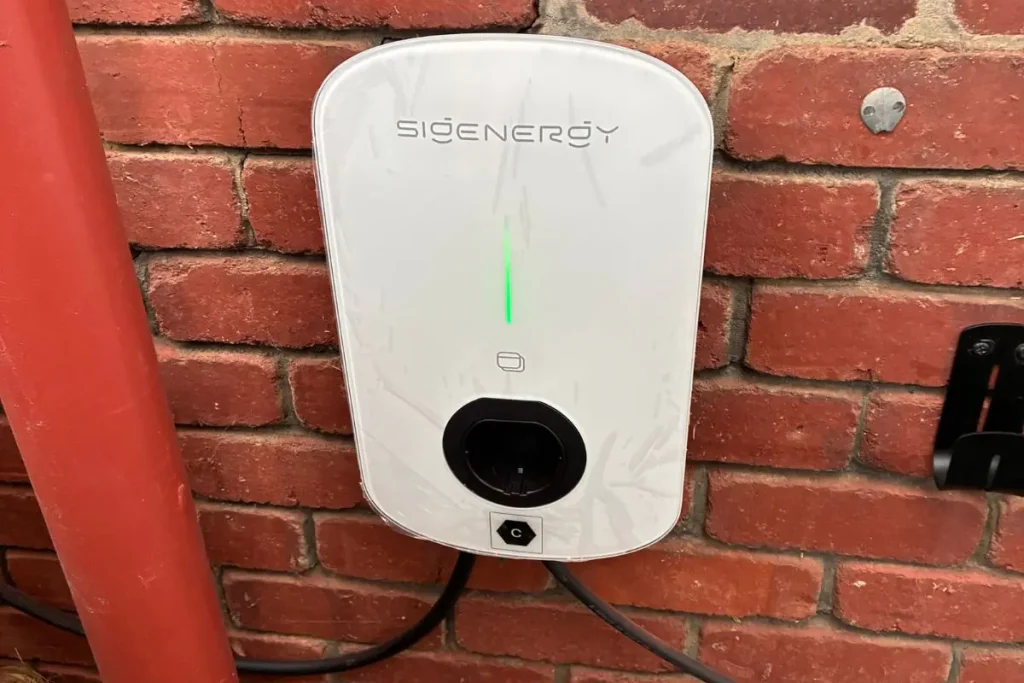
Electric vehicle batteries must be recharged, but did you know that how you charge the battery can have a significant impact on overall battery life?
Over time, EV batteries, like all rechargeable batteries, gradually lose some of their battery capacity.
Everyday charging habits can either speed up this process or slow it down.
The good news here is that making some small changes to how you charge your EV can spell the difference.
How to Maintain Your EV’s Battery Life
If no one has told you, avoid extreme temperatures, especially high temperatures, as these degrade the battery.
You should also avoid charging the battery to 100 percent every single day. When you know you are making a long trip or driving for extended periods, charging to 100 percent is fine, but avoid doing this daily.
It’s also a smart practice to charge the battery before it gets very low. Aim to recharge whenever the battery hits 20 percent and don’t let the battery go lower than that.
What is the 80 Percent Rule for EVs?
For best battery health, charge the battery to about 80 percent most days.
Of course, on days when you know you will be doing extended driving, it’s OK to charge to full capacity, but avoid full discharge and charging to 100 percent every single day.
How to Extend EV Battery Life with Smart Charging
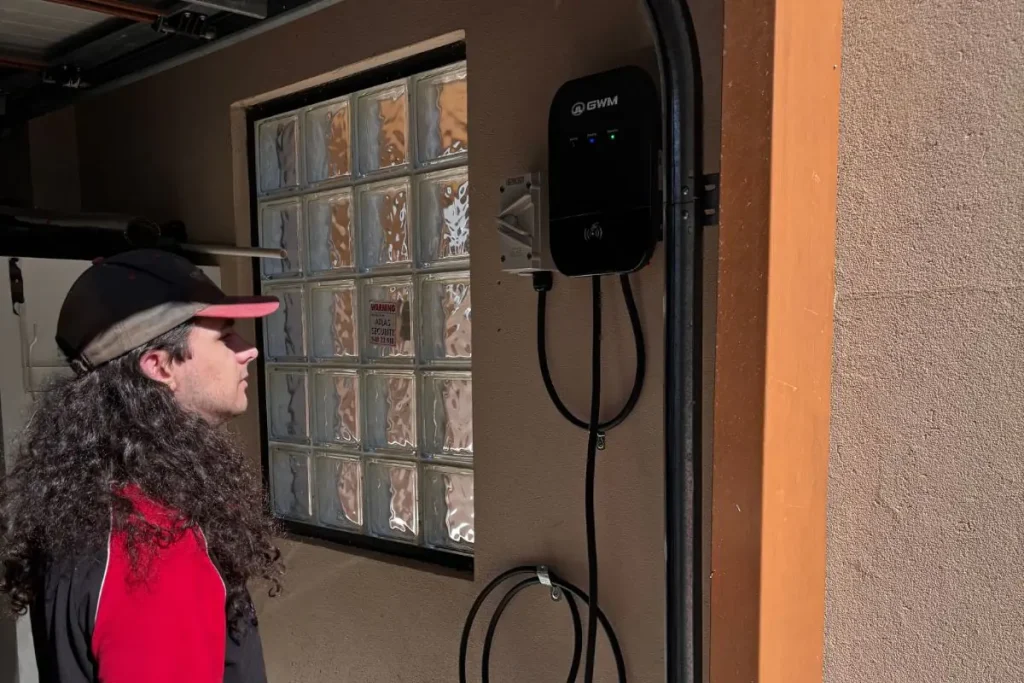
Many modern EV chargers or vehicles offer “smart” charging features via an app that allows you to monitor battery health and manage how your battery charges.
For example, you can schedule the vehicle to charge at a later time via an app or the EV’s charging controls to avoid overcharging.
You can also set up charging so the vehicle draws power during off-peak hours, reducing your energy costs, or set it up so it uses excess solar power.
Smart charging gives you more control over your daily charging habits and can help support long-term battery health.
How Heat and Extreme Temperatures Affect EV Batteries
Extreme temperatures, especially during Perth summers, can affect battery performance and degrade the battery itself.
Whenever possible, charge your EV in a shaded location or garage.
Even when you aren’t charging, try to avoid leaving your EV parked in full sun all day, especially in the hot summer months.
While it’s true that EV batteries have thermal management systems, keeping your EV in cooler environments can help support long-term battery health and avoid unnecessary thermal stress.
Does Frequent Fast Charging Damage an EV Battery?
Frequent fast charging can contribute to faster battery degradation over time, particularly under certain conditions.
While many modern EV chargers have battery management systems that prevent overcharging and regulate the temperature, frequent fast charging can lead to battery degradation over time.
For everyday charging when speed isn’t vital, it’s a good idea to choose slow charging. Use fast charging only when you need it.
Read your instruction manual for details about your particular vehicle or call an expert, such as EV Charger Installers Perth, for advice.
What Drains an EV Battery the Most?
The top causes of EV battery drains include:
- high speeds
- extreme heat or cold temperatures
- long, steep hills
- air conditioning or heat
- aggressive acceleration
Smoother driving, avoiding excessive speeds, and removing unnecessary weight from vehicles will help your EV use energy more efficiently.
Simple Charging Habits that Help Protect Your Battery
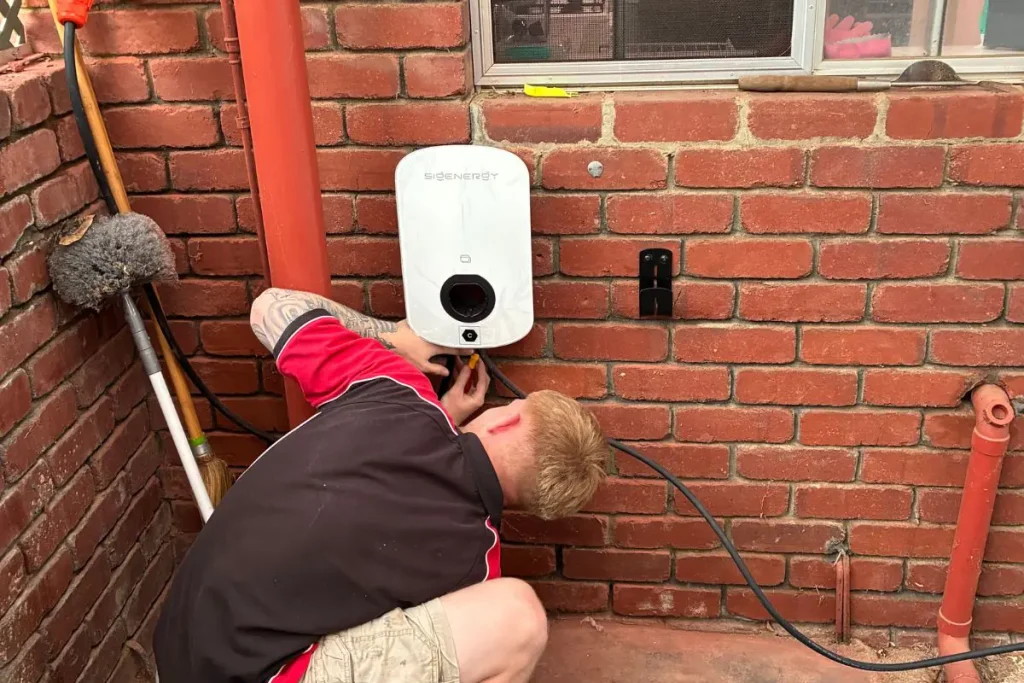
By practicing a few simple habits, you can get the most out of your EV battery, such as:
- Following the manufacturer’s guidelines
- Not letting the battery go below 20 percent charge
- Using slower charging whenever possible
- Not charging in extreme heat
- Not leaving the battery to sit at 100 percent for extended periods
- Using smart charging if available
Most EVs are designed to last for many years, but taking care of your battery can greatly extend its life.
You don’t need to follow every rule every day, but doing your best to follow the above steps can make a significant difference!
When to Have Your EV Charger or Charging Setup Inspected
While many people think that the EV battery is the only item that needs regular inspection and monitoring, the truth is that the charging system itself should also be inspected.
If your charger frequently stops charging for no reason, the circuit trips often, or the charger becomes very hot, it’s time to have a professional inspect your EV charger.
Also, if you notice changes in the charging performance (perhaps it takes longer to charge than before) or damage to the cable or power point, you need to call for a complete inspection from experts such as EV Charger Installers Perth.
Get Smarter EV Charging Advice from Perth Specialists
Taking care of EV batteries isn’t complicated. A few changes to how and where you charge can make a big difference.
That being said, if you are experiencing difficulties charging your EV, have questions about your Tesla Roadster or other vehicle, or aren’t sure about your charging system, it’s good to consult with professionals.
The EV Charger Installers Perth team is happy to provide you with the expert advice you need to properly care for your EV.
With more than a decade of experience and a focus on EV charging, we can assess your charging setup and provide practical, useful advice about all things related to EV charging.
Frequently Asked Questions
Q: How long does an EV battery last?
A: This will vary tremendously depending on the battery’s make and model, and whether it is being used and maintained properly. Generally speaking, most EV batteries are designed to last for many years.
Battery capacity will naturally diminish over time, so check with the manufacturer for expected battery life and warranties.
Q: What percentage should I charge my EV to each day?
A: In most cases, 80 percent is the recommended percentage for everyday use.
Q: Is slow charging better for EV battery life?
A: Generally speaking, yes, slow chargers are better for longer battery life. Slow charging generates less heat and causes less stress on the battery cells.
Q: Can smart charging help protect an EV battery?
A: Yes, it can. Smart charging can reduce unnecessary stress on the battery. It allows you to schedule charging, set a charging limit, and avoid overcharging or charging at 100 percent for long periods. Smart charging isn’t a guarantee, but it makes sense to do everything possible to extend EV battery life.
Q: Does leaving an EV fully charged damage the battery?
A: Leaving an EV fully charged for long periods can contribute to faster degradation, but this doesn’t mean you should avoid charging to 100 percent when you need it. Charging to maximum capacity on occasion isn’t a problem for modern EVs. Whenever possible, schedule your charging so the battery hits maximum capacity just before you are ready to start driving.
Q: Should I charge my EV to 100 percent every night?
A: 80 percent is the sensible charging level for daily driving. If you need the extra range, such as when planning on a road trip, by all means, charge the battery fully. To get the most out of your battery, however, don’t charge to more than 80 percent on a daily basis.
Q: Is it bad to leave an EV plugged in after it is fully charged?
A: Not necessarily. Charging and simply being plugged in is not the same thing. Modern EVs are designed to stop charging once the battery is full or is charged to the set amount (such as 80 percent). If you don’t need a full charge, don’t charge the battery to its maximum. Always follow the manufacturer’s instructions. When in doubt, call the experts at EV Charger Installers Perth for expert advice.